

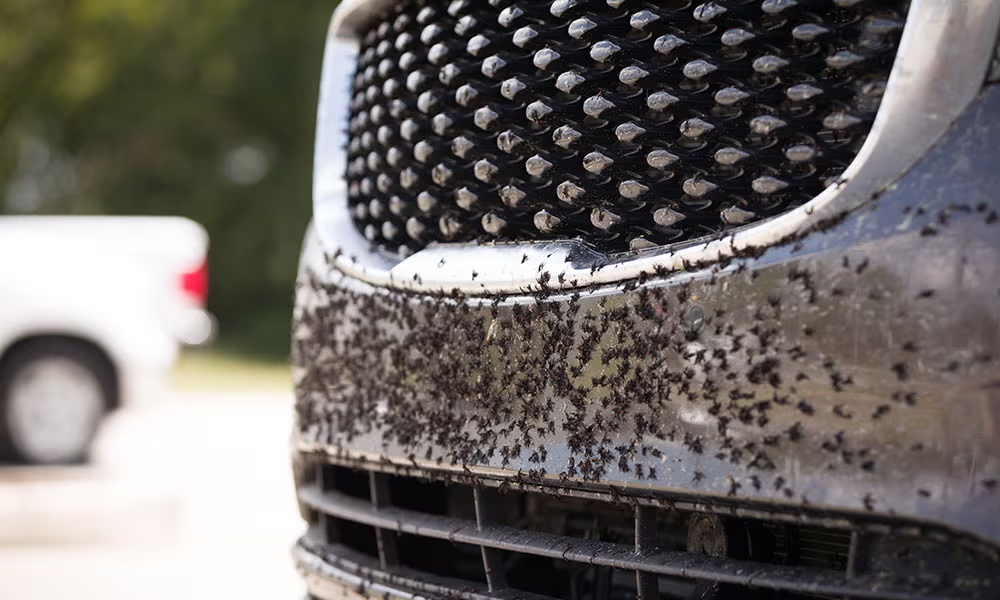
Warmer weather and longer drives come with one predictable side effect: bugs on your bumper, grille, and windshield. Beyond just looking bad, dried-on bug residue is acidic and can actually damage your paint if it sits too long, which makes this one cleaning job that’s worth doing properly rather than putting off.
Prefer to skip the scrubbing? Book a detail and let us handle it.
Why Bug Residue Is Worse Than It Looks
Bug remains aren’t just cosmetic. Their body chemistry is acidic, and the longer it sits baking in the sun, the more it can etch into your clear coat, leading to permanent marks that no amount of washing will fix later. That’s part of why speed matters here nearly as much as technique.
Key Takeaways
- Bug residue is acidic and can etch into clear coat if left to sit, especially in direct sun
- Soaking the area before wiping prevents dragging hardened residue across the paint, which causes scratches
- A microfiber cloth is essential, anything abrasive risks scratching the finish
- Wax adds a protective barrier that makes future bug residue easier to remove before it can bond to the paint
- Heavily bug-covered vehicles, especially after road trips, are often faster and safer to leave to a professional detail
Step-by-Step: Removing Bugs Safely
Soak first, don’t scrape. Spray the affected areas with a mix of water and a few drops of dish soap, then let it sit for a few minutes. This softens dried residue so it lifts away instead of needing to be scraped or scrubbed off, which is what actually causes scratching.
Wipe with a microfiber cloth. Once softened, gently wipe the area with a clean microfiber cloth. Avoid anything abrasive, sponges with a rough side, paper towels, or brushes can all leave fine scratches in the clear coat.
Ready to book your detail? Schedule online with Lightning Fast Car Detailing or call 647-325-1697.
Follow with a full rinse and wash. After the bulk of the residue is gone, rinse the car and go over it with a proper wash to remove anything left behind. Work gently and avoid high pressure directly on any spot that still has residue stuck on.
Dry thoroughly. Water spots can compound the appearance issue you’re already trying to fix, so dry with a clean microfiber towel rather than letting the car air dry.
Apply a quality wax. A good wax doesn’t just add shine, it creates a barrier that makes it much harder for bug residue to bond directly to your paint next time, meaning less scrubbing and less risk down the road. Cheaper waxes tend to break down fast and won’t offer the same protection.
When to Let a Professional Handle It
If you’ve just finished a long road trip and the front end looks like it went through a windshield of its own, or if bug residue has been sitting for a while before you got to it, a professional detail is often faster and safer than tackling it yourself. Professional-grade products and technique remove baked-on residue without the risk of the fine scratching that comes from over-scrubbing at home.
Just got back from a long drive? Book a detail and let us take the bugs off your hands.
The Bottom Line
Dead bugs on your car are more than a look, they’re a real threat to your paint if left too long in the sun. Soaking before wiping, using the right cloth, and finishing with a protective wax will keep your car’s finish intact through bug season. And if it’s more than you want to deal with yourself, that’s exactly the kind of job a mobile detail handles quickly and properly.
Skip the scrubbing altogether, book your detail today.