

Leather seats are often the first thing to visibly age in an otherwise well-kept car. Cracked bolsters, a shiny worn patch on the driver’s cushion, color that’s faded to a dull grey, it happens faster than most owners expect, and it’s rarely because of one dramatic event. It’s the slow result of everyday contact combined with conditions leather simply isn’t built to handle without regular care.
Want your seats properly assessed and treated? Book a leather care detail here.
Why Leather Ages Faster in the GTA Than People Expect
Toronto puts leather through extremes in both directions across a single year. In summer, a car parked in direct sun can reach interior temperatures well above the outside air, and UV passing through the glass bakes moisture and natural oils out of the material. In winter, heated seats running daily combined with dry indoor air from the HVAC system pull moisture out just as aggressively, from the opposite direction. Most GTA vehicles experience both extremes within the same twelve months, which is part of why local leather ages faster than the manufacturer’s expected lifespan would suggest.
Key Takeaways
- Most modern car “leather” is actually a pigmented coating over the hide, and that coating is what cracks first, not the leather underneath
- Consistent light maintenance every few months prevents damage far better than one heavy annual clean
- Common household products, dish soap, baby wipes, Magic Erasers, can strip or damage the coating on contact
- Professional steam treatment reaches dirt trapped in leather’s pores in a way surface wiping cannot
- Leather condition is one of the most noticeable factors in a used car’s perceived value at resale
Understanding What’s Actually on Your Seats
Most vehicles today don’t have raw, uncoated leather, they have coated leather, where the hide is finished with a pigmented protective top layer. That coating is what you’re actually touching and looking at day to day, not the hide itself. This distinction matters more than most owners realize, because once that coating cracks, applying a heavy conditioner doesn’t repair what’s visibly damaged, the coating itself is already compromised. A smaller number of higher-end vehicles use a more porous, less heavily coated leather finish that genuinely does benefit from traditional conditioning treatments, but for the vast majority of cars on the road, what leather actually needs is a coating-safe cleaner and a lighter protectant, not a heavy oil-based conditioner sitting on top of a surface it was never designed to absorb into.
Why Consistency Beats Intensity
The single most effective habit for leather care isn’t an annual deep clean, it’s light, regular maintenance every few months. Between cleanings, oils from skin contact, dye transfer from denim, and the friction of getting in and out of the vehicle all gradually wear down the protective coating. A once-a-year deep treatment doesn’t undo months of that accumulated wear the way consistent, lighter maintenance prevents it from building up in the first place.
Stay ahead of cracking and wear, schedule regular leather care here.
How to Clean Leather Without Damaging It
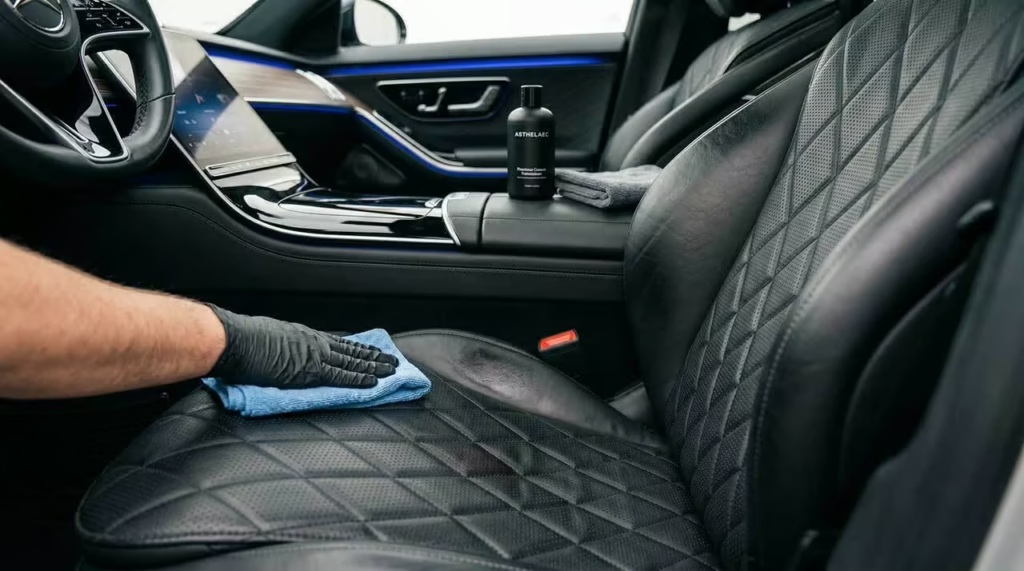
Proper leather cleaning uses a pH-neutral, coating-safe automotive leather cleaner, applied with a soft microfiber cloth rather than a stiff brush across the main seating surface. A soft horsehair brush can help on heavily soiled bolster areas specifically, since it lifts dirt without scratching. Whatever product you use, wipe off residue immediately rather than letting it sit and dry on the surface, and finish with a water-based leather protectant rather than an oil-based dressing, which tends to sit on top of the coating rather than actually protecting it.
What to Keep Away From Your Seats
Several common household products actively damage automotive leather coating rather than cleaning it. Silicone-based vinyl dressings leave a greasy sheen that attracts dust. Baby wipes contain alcohol and fragrance that dry the material out. Dish soap strips protective oils from the coating. Saddle soap is formulated for raw leather tack, not the finished coating on car seats, and is too aggressive for this use. Abrasive cleaning pads can physically strip pigment off the surface. And home remedies like olive or coconut oil tend to go rancid over time and leave lasting stains rather than restoring shine.
When DIY Maintenance Isn’t Enough
Light cleaning between appointments handles day-to-day upkeep well, but certain signs mean it’s time for professional attention: visible dirt trapped in the leather’s texture that wiping doesn’t lift, dye transfer from denim showing on lighter-colored leather, a bolster developing a dark, shiny wear patch, or simply preparing a vehicle for sale, since leather condition is one of the strongest factors in a buyer’s first impression and resale value.
A professional treatment typically starts with steam cleaning to lift embedded dirt from the leather’s pores without oversaturating the material, followed by a coating-safe cleaner and a proper protectant, often finished with additional protection on high-wear areas like the driver’s bolster and cushion.
The Bottom Line
Leather doesn’t age gracefully by accident, it takes consistent, correctly done maintenance to keep it that way, especially through a GTA year that stresses it from both temperature extremes. Light cleaning every few months, the right products, and professional attention when wear starts showing will keep leather seats looking closer to their original condition for years longer than an occasional deep clean ever could.
Give your leather the care it actually needs, book your detail today.